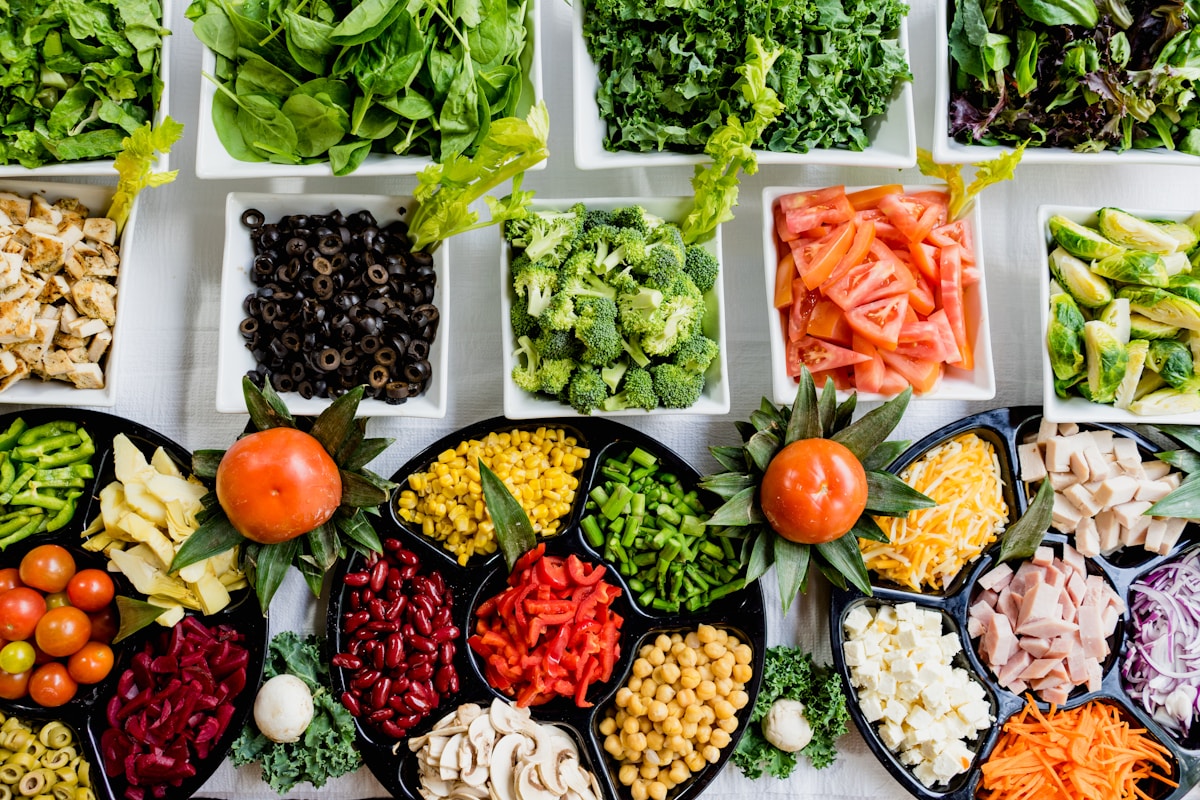
The most powerful fertility enhancers are not in a pharmacy — they are in your kitchen and your daily routine. Evidence-based changes that dramatically improve your chances.
The Foundation Before the Herbs
Herbal medicine is powerful. But no herb can outperform a body that is chronically sleep-deprived, inflamed, and running on refined sugar. Before spending a single rupee on supplements, optimise these fundamental lifestyle factors.
The good news: these changes are free (or nearly so), they work quickly, and their benefits extend far beyond fertility.
1. Fix Your Sleep First
Sleep is the single most underrated fertility intervention.
*Why it matters:*
- Testosterone is produced almost entirely during deep sleep stages
- LH (the hormone that triggers ovulation) is released in pulses that require quality sleep to maintain rhythm
- Melatonin — the sleep hormone — is also a powerful antioxidant that protects egg quality
- One week of sleep restriction (6 hours per night) reduces testosterone in healthy young men by the equivalent of 10–15 years of ageing
*Action plan:*
- Aim for 7–9 hours in a completely dark room (blackout curtains)
- Maintain a consistent sleep and wake time, even on weekends
- Avoid screens for 60 minutes before bed (blue light suppresses melatonin)
- Keep the room cool (18–20°C ideal)
- No caffeine after 2pm
2. Eliminate Refined Sugar
Refined sugar — and the insulin spikes it creates — is one of the most destructive forces on reproductive hormones.
*The mechanism:*
- Insulin spikes trigger the ovaries to produce male hormones — the central problem in PCOS
- High blood sugar damages sperm DNA
- Fructose (from sugar and fruit juice) is metabolised in the liver, causing fatty liver and insulin resistance
- Sugar feeds systemic inflammation
*What to do:*
- Remove white sugar, white flour, packaged biscuits, fizzy drinks, and fruit juices from your diet
- Replace with: whole fruits (not juice), oats, lentils, sweet potato, brown rice
- Allow a 2-week adjustment period — sugar cravings diminish dramatically after the first week
3. Eat for Cellular Energy
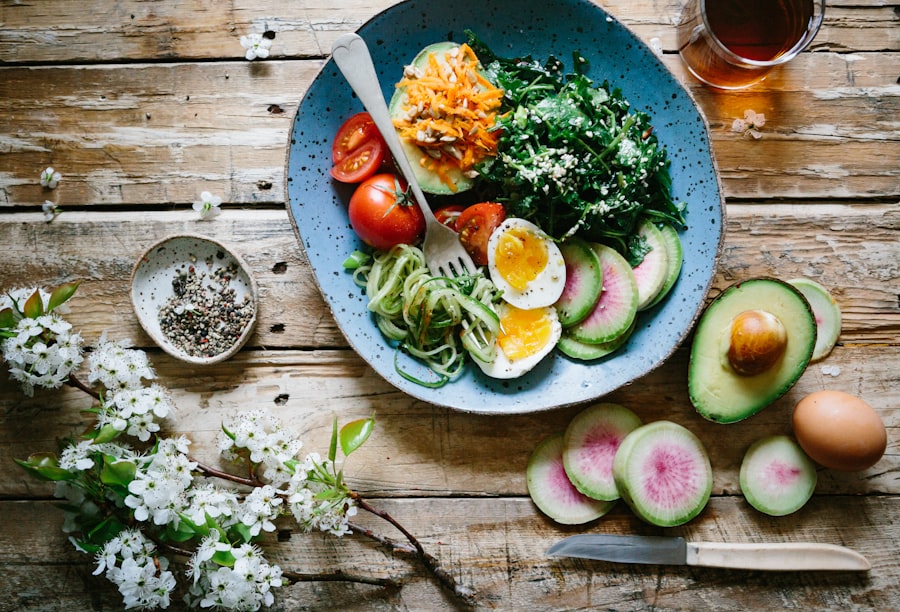
The energy factories of every cell — including eggs and sperm — are called mitochondria. Egg quality is almost entirely determined by how well mitochondria function. Sperm motility requires mitochondrial energy.
*Top nutrients that support cellular energy:*
| Nutrient | Top Sources |
|---|---|
| CoQ10 | Sardines, beef, organ meats |
| Magnesium | Pumpkin seeds, dark chocolate, leafy greens |
| B vitamins (complex) | Nutritional yeast, legumes, eggs |
| Alpha-lipoic acid | Spinach, broccoli, potatoes |
| Omega-3 (DHA) | Fatty fish, flaxseed, walnuts |
For women: Eggs contain only maternal energy from mitochondria — egg quality is the limiting factor in fertility after 35. CoQ10 (200–600mg daily) is one of the most evidence-backed supplements for improving egg quality.
4. Seed Cycling
A dietary protocol with growing evidence for hormonal regulation:
First half of cycle (Day 1–14): 1 tablespoon each of flaxseeds and pumpkin seeds daily
- Flaxseeds: lignans balance early-cycle oestrogen
- Pumpkin seeds: zinc supports progesterone production
Second half of cycle (Day 15–28): 1 tablespoon each of sesame and sunflower seeds daily
- Sesame: lignans support late-cycle progesterone
- Sunflower: vitamin E protects the corpus luteum
Grind seeds fresh before use (pre-ground seeds oxidise quickly).
5. Reduce Hormone-Disrupting Chemicals
Environmental chemicals that mimic oestrogen are an underappreciated cause of hormonal disruption.
*Major sources:*
- Plastics — BPA and phthalates leach into food and drinks, especially when heated. Switch to glass or stainless steel bottles and containers
- Conventional beauty products — parabens and phthalates. Switch to natural alternatives
- Non-stick cookware — releases hormone-disrupting compounds when overheated. Use cast iron or stainless steel
- Conventional produce — pesticide residues accumulate in fat tissue. Prioritise organic for the most heavily sprayed fruits and vegetables
- Synthetic fragrances — air fresheners and scented candles. Switch to natural beeswax candles and plant-based diffusers
6. Manage Chronic Stress

Cortisol (the stress hormone) is, literally, anti-fertility. When the body perceives chronic stress, it deprioritises reproduction — a survival mechanism that made sense for ancient humans but is harmful for modern couples trying to conceive.
*Practical protocols:*
Daily:
- 20-minute walk in nature (reduces cortisol by 20%)
- 10-minute breathing practice (box breathing: 4-4-4-4 count)
- Journalling (externalising worry reduces rumination)
Weekly:
- Restorative yoga or yoga nidra (shown to significantly reduce cortisol and improve IVF outcomes when practised during treatment cycles)
- Social connection with loved ones
*What does not work:* "Just relax" is not helpful advice. Stress management requires active, structured practice.
7. Optimise Your Iron Levels
Iron deficiency affects 40–60% of women in Pakistan and is a significant cause of poor egg quality and failure to ovulate.
Signs of deficiency: fatigue, pallor, shortness of breath, restless legs, frequent infections, brittle nails, hair loss.
Note: Always test before supplementing — excessive iron is also harmful. A serum ferritin level (not just haemoglobin) is the best test for iron stores.
*Top food sources:*
- Lentils and chickpeas (pair with vitamin C to improve absorption)
- Dark leafy greens (spinach, kale)
- Pumpkin seeds
- Dates (also contain natural folic acid)
- Liver (highest density, but limit to once weekly due to high vitamin A content)
8. Maintain a Healthy Weight
Both underweight and overweight significantly impair fertility:
*Excess weight:*
- Increases oestrogen production in fat cells (worsens oestrogen dominance and PCOS)
- Increases insulin resistance
- Associated with lower sperm count in men
- Increases miscarriage risk
*Underweight:*
- Periods stop when body fat drops too low — a survival mechanism
- Poor egg quality due to nutrient deficiency
- Reduced sperm production
*Note:* BMI is an imperfect measure. Waist circumference (below 80cm for women, below 94cm for men) is a better predictor of metabolic health relevant to fertility.
9. Limit Alcohol (Both Partners)
There is no known safe amount of alcohol for someone trying to conceive.
For women: Alcohol disrupts follicular development, increases miscarriage risk, and is contraindicated in early pregnancy (when women may not yet know they are pregnant).
For men: Alcohol is directly toxic to testosterone-producing cells. Heavy alcohol use reduces testosterone, sperm count, and motility. Even moderate drinking (3–4 drinks per week) has measurable negative effects on sperm parameters.
During a planned conception window, both partners should aim for complete abstinence or limit intake to very occasional, moderate amounts.
10. Move Your Body — the Right Way
Exercise is medicine for reproductive health, but type and intensity matter.
*Best for fertility:*
- Resistance training (3 times per week) — improves insulin sensitivity and testosterone more than any other exercise type
- Daily walking — 20–30 minutes reduces cortisol, improves blood flow to reproductive organs, and supports a healthy weight
- Swimming — low-impact, full-body exercise ideal in pregnancy
*Exercise cautions:*
- Excessive high-intensity training (more than 10 hours per week) in women can cause periods to stop
- Prolonged cycling (for men) — compresses blood vessels and raises scrotal temperature, both of which impair sperm production. Limit to under 30 minutes per session; use a padded seat
Putting It Together
These ten changes work together. You do not need to implement all ten simultaneously. Begin with the two or three that feel most accessible, establish those as habits, then layer in more.
Track your menstrual cycle throughout (use a period tracking app) — changes in cycle length, regularity, and fertile mucus quantity are the earliest signs that your body is responding.
VedhaPure's herbal protocols amplify these lifestyle changes dramatically. When the foundation is strong, the herbs work faster and more powerfully.